차나무 품종이란 무엇인가? 나라별 차나무 품종
차나무 품종은 차나무의 이름 지어진 한 가지입니다. 품종이 유형과 종류와 어떻게 다른지, 나라별로 알아두어야 할 것들과 어떻게 맛보는지가 있습니다.
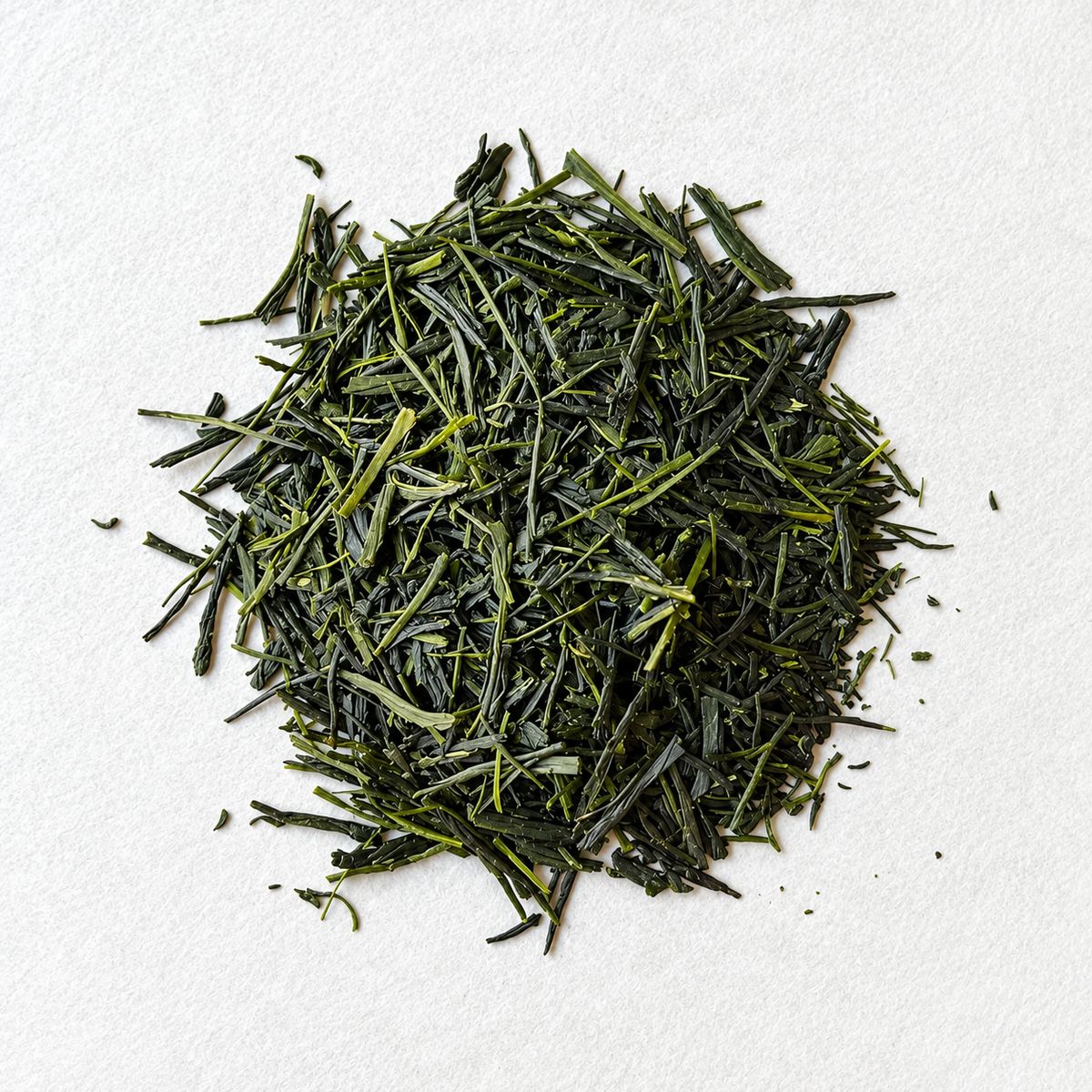
모든 차는 Camellia sinensis 한 종류의 나무에서 나옵니다. 품종은 그 나무의 이름 지어진 한 가지입니다. 야부키타와 티에구안인처럼 말입니다. 같은 방법으로 만든 두 개의 차는 매우 다르지만 다른 품종에서 나온 것이기 때문입니다. 우리의 메이, 일제 흑차 단일 용기로는 야부키타로 만들어집니다.
클론과 씨앗으로 기른 차
품종은 더 많은 것을 원했던 농부가 더 많이 기르기 위해 시작하는 나무입니다. 더 달콤한 잎, 더 강한 향기, 더 큰 수확, 또는 냉동기를 이겨낸 나무입니다. 그것을 더 많이 기를 수 있는 방법이 두 가지 있습니다.
| 클론 | 씨앗으로 기른 | |
|---|---|---|
| 재배 | 한 나무의 가지 | 씨 |
| 각 나무 | 부모와 동일 | 다음과 조금 다르다 |
| 잔에 | 매년 같은 성질 | 더 많은 변화 |
| 예 | 야부키타, 시지춘, AV2 | 하동, 아삼 자트 |
클론 나무는 모두 싹트고 자라며 맛도 같습니다. 농사하기가 쉽습니다. 씨앗으로 기른 정원, 한국의 하동이나 아삼의 오래된 자트 정원처럼 나무마다 다르지만, 많은 차 마는 사람들은 더 많은 층을 발견합니다.
차나무 품종이 차 종류와 같은 것인가?
아닙니다. 차 유형은 잎의 처리 방법입니다. 품종은 어디서 나온 것인지입니다. 한 품종은 여러 유형으로 만들 수 있습니다. 사야마 카오리는 녹차와 흑차로, 지야는 녹차에서 포우까지 만들 수 있습니다.
| Kind | Not oxidizedFully oxidizedOxidation |
|---|---|
| Green | None: heated soon after picking |
| White & yellow | Light: little handling, slow drying |
| Oolong | Partial: from floral to roasted |
| Black | Full: malty and round |
| Puerh | Off the scale: Yunnan large-leaf tea, fermented or aged for years |
| Herbal | Off the scale: not from the tea plant, so no cultivar, and mostly caffeine free |
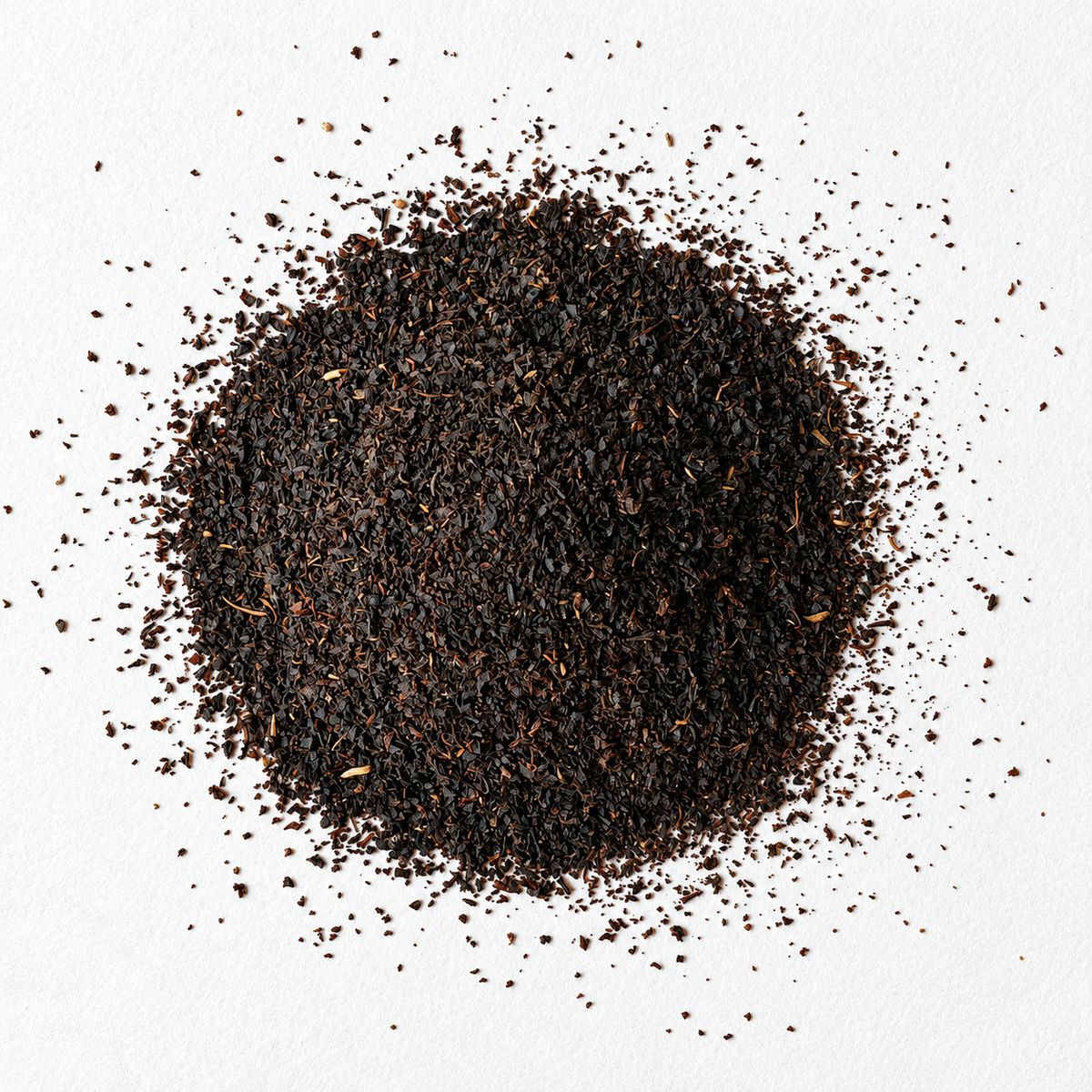
커피도 마찬가지입니다. 한 농장에서도 처리된 후 매우 다르다는 것을 라이트 로스트와 다크 로스트 가이드에서 볼 수 있습니다.
일부 이름들은 모두입니다. 티에구안인은 품종이면서 그 품종으로 만든 우롱차이기도 합니다. 다홍파오는 우이산의 유명한 몇 그루 나무에 이름을 붙인 스타일입니다. 오늘날의 다홍파오는 우이산의 몇 가지 품종을 섞은 것입니다.
품종, 종류, 변종
세 단어들이 뒤섞여, 다른 것을 의미합니다.
- 종은 자연적인 종의 지류입니다. 차는 두 가지 주종이 있습니다. 작은 잎의 sinensis는 녹차와 우롱차의 대부분을 차지하고, 큰 잎의 assamica는 아삼, 스리랑카, 윈난에서 재배합니다.
- 품종, 재배종의 줄임말은 사람들이 선택하고 의도적으로 기르는 한 가지입니다. 식물학자들은 종의 뒤에 따옴표로 쓴다: Camellia sinensis var. sinensis '야부키타'.
- 변종은 한 품종으로 만든 차를 설명합니다. "변종 우롱차"와 같이 말입니다. 품종이 아니지만 다른 단어는 아닙니다.
알아두어야 할 차나무 품종
일본
- 야부키타: 가장 많이 재배되는 품종으로, 시즈오카 농부 히코사부로 스기야마가 1908년에 선택하고 1953년에 등록했습니다. 균형 잡힌 센차는 다른 일본의 모든 품종과 비교되는 맛입니다.
- 사이미도리: 야부키타와 아사쓰유의 교배, 생생한 녹색과 강한 우미를 위해 사용됩니다. 대회 센차에 흔합니다.
- 오쿠미도리: 늦게 싹트고 부드럽고 둥글습니다. 밝은 품종을 부드럽게 하기 위해 자주 섞입니다.
- 사이도리 및 고코: 우지 품종으로, 교쿠로와 매초에 사용됩니다. 쓴 맛이 적고 두꺼운 bodies가 있습니다.
중국
- 티에구안인: 안시의 우롱차 품종으로, 300년 정도 되었습니다. 신선하고 녹색으로 유지하거나 어두운 색으로 구워서 두 가지 매우 다른 차를 만듭니다.
- 루이구이와 슈이샨: 우이산 암석차의 주력입니다. 루이구이는 향이 계피와 비슷하기 때문에 그렇게 불립니다. 오래된 슈이샨 나무는 모스, 오케스트라, 목초의 맛을 냅니다.
- 다바이와 다하오: 은사차와 백봉차의 뒤에 있는 큰 잎과 은색 털의 품종입니다.
- 롱징 #43: 용문차에 맞게 교배한 것으로, 이른 싹과 차의 특징인 평평하고 창꼴 잎을 가지고 있습니다.
대만
- 칭신: 고산 우롱차, 둥딩, 바오중의 뒤를 이은 유산품종입니다. 느리게 자라고 깊이가 있습니다.
- 시지춘: 1980년대 교배품종으로, 일년 내내 수확합니다. 크리미하고 쉬워서 대만 우롱차의 좋은 첫 번째 품종입니다.
한국, 인도, 스리랑카
- 하동: 한국 지리산의 씨앗 재배 티.
- AV2: 첫 수확 티에서 강렬한 무스캣을 자랑하는 대르징글링 클론.
- 아삼 jat: 아삼의 전통 씨앗 재배 티, 대형 잎 변이종 아삼이카.
- 아삼이카 인 스리랑카: 저산지 대르징글링 블랙 티의 매운, 묵직한 스타일을 뒷받침하는 대형 잎 티.
나라별로 모든 티 품종
지역을 탭하면 그곳에서 재배되는 것을 볼 수 있습니다. 또는 표를 검색하세요.
Wuyi Mountains Fujian, China
Ai Jiao · Ba Xian · Da Hong Pao · Huang Mei Gui · Jin Yao Shi · Rou Gui · Rui Xiang · Shui Jin Gui · Shui Xian · Xiao Zhong / Hua Xiang
Anxi Fujian, China
Fuding Fujian, China
Hangzhou Zhejiang, China
Yunnan Lincang and Xishuangbanna, China
Da Ye Zhong · Da Wu Ye · Da Shu / Gu Shu · Qiao Mu · Ye Sheng · Xiao Ye Zhong · Zi Ya
Hadong Jiri Mountains, Korea
Uji Kyoto, Japan
Shizuoka Japan's largest tea region, Japan
Sayama Saitama, Japan
Central Taiwan Nantou mountains, Taiwan
Darjeeling West Bengal, India
Assam Brahmaputra valley, India
Sri Lanka Low- and mid-country gardens, Sri Lanka
| Cultivar | Known for | Grown in |
|---|---|---|
| Chinese tea cultivars | ||
| Ai Jiao矮脚烏龍 | A Wuyi rock-tea (Yancha) “famous bush” named for its squat, short-legged growth and small round leaves. | Wuyi Mountains |
| Ba Xian八仙“Eight Immortals” | A Wuyi cultivar grown in the lower ecological gardens outside the main gorge. | Wuyi Mountains |
| Da Bai & Da Hao大白 / 大毫 | The two large-leaf, silver-haired cultivars behind classic Fuding white tea. | Fuding |
| Da Hong Pao大红袍 | Not a single cultivar: a style named for a few legendary mother bushes on Jiuxian Rock. | Wuyi Mountains |
| Da Shu / Gu Shu大树 / 古树“Big Tree / Old Tree” | A description of the tree, not a bred cultivar: large old Yunnan trees, often 70–100 years or more, of the region’s native broad-leaf tea. | Yunnan |
| Da Wu Ye大乌叶“Big Dark Leaf” | A Lincang growers’ name for large-leaf trees with dark, thick, glossy leaves, a type within Yunnan’s large-leaf family. | Yunnan |
| Da Ye Zhong大叶种“Large-Leaf Variety” | Yunnan’s large-leaf tea (Camellia sinensis var. assamica), the raw material of nearly all puerh and Dian Hong. | Yunnan |
| Dong Ting洞庭种 | The old seed-grown bush population of the Dongting hills on Taihu Lake, the traditional source of Bi Luo Chun. | China |
| Huang Guan Yin黄观音“Yellow Guan Yin” | A modern Fujian hybrid of Tie Guan Yin and Huang Dan. | Anxi |
| Huang Mei Gui黄玫瑰“Yellow Rose” | A modern Wuyi hybrid (its exact parents are debated) with a strong rose-like aroma over caramel and stone fruit. | Wuyi Mountains |
| Jin Yao Shi金钥匙“Golden Key” | A rare Wuyi “famous bush” with about a century of history, long grown by only a few families in the gorge. | Wuyi Mountains |
| Longjing #43龙井43号 | A modern cultivar bred for Dragon Well: early budding, high yielding, with the flat, spear-shaped leaf the tea is known for. | Hangzhou |
| Qi Lan奇兰 | An Anxi cultivar also grown as Wuyi rock tea, where mineral terroir meets its natural orchid aroma. | Anxi |
| Qiao Mu乔木“Arbor” | A growth form, not a cultivar: tea grown as a true tree with one tall trunk rather than a pruned bush. | Yunnan |
| Rou Gui肉桂“Cassia” | Named for its cinnamon-like aroma, and one of the two pillars of modern Wuyi rock tea since wide planting from the 1980s. | Wuyi Mountains |
| Rui Xiang瑞香“Auspicious Fragrance” | A modern Fujian cultivar descended from Huang Dan, with a rich, rising floral and fruit aroma. | Wuyi Mountains |
| Shui Jin Gui水金龟“Golden Turtle” | One of Wuyi’s Four Great Bushes, named for the shell-like pattern of its leaf veins. | Wuyi Mountains |
| Shui Xian水仙“Narcissus” | One of the most planted Wuyi cultivars, and one of the few often grown as old bushes. | Wuyi Mountains |
| Tie Guan Yin铁观音“Iron Goddess of Mercy” | Anxi’s signature oolong cultivar, about 300 years old and a parent of several newer cultivars. | Anxi |
| Xiao Ye Zhong小叶种“Small-Leaf Variety” | Smaller- and medium-leaf trees found in a few historic puerh areas alongside the large-leaf trees. | Yunnan |
| Xiao Zhong / Hua Xiang小种 / 花香 | The small-leaf native variety of Tongmu Guan, where Lapsang Souchong began. | Wuyi Mountains |
| Ye Sheng野生“Wild-Growing” | A growth type: trees that seeded and grew on their own, without cultivation. | Yunnan |
| Zi Ya紫芽“Purple Bud” | A purple-budded cultivar, colored by anthocyanins (the pigments in blueberries). | Yunnan |
| Korean tea cultivars | ||
| Hadong하동 | The native seed-grown tea of Korea’s Jiri Mountains, the country’s oldest tea region, with records going back over a thousand years. | Hadong |
| Japanese tea cultivars | ||
| Asahi旭 | A historic Uji cultivar grown for tencha and matcha, with deep umami and a dark chocolate, peony-like fragrance. | Uji |
| Gokohごこう | An Uji cultivar bred for gyokuro and fine matcha: low bitterness and a thick, sweet body that shading brings out. | Uji |
| Okumidoriおくみどり | A late-budding cultivar from 1974, from Yabukita and a Shizuoka strain. | Shizuoka |
| Saemidoriさえみどり | A Yabukita × Asatsuyu cross bred for vivid color and strong umami in sencha. | Japan |
| Samidoriさみどり | An older Uji cultivar (not Saemidori) at the heart of traditional gyokuro and ceremonial matcha: balanced umami, very little bitterness. | Uji |
| Sayama Kaoriさやまかおり | A cold-hardy cultivar from Saitama’s Sayama region, one of Japan’s northernmost. | Sayama |
| Yabukitaやぶきた | Japan’s most planted cultivar, registered in 1953. | Shizuoka |
| Taiwanese tea cultivars | ||
| Qing Xin青心烏龍“Green Heart” | Taiwan’s heirloom oolong cultivar, the backbone of high mountain oolong, Dong Ding and Bao Zhong. | Central Taiwan |
| Sijichun四季春“Four Seasons Spring” | A 1980s hybrid bred to harvest year-round. | Central Taiwan |
| Tie Guan Yin (Taiwan)鐵觀音 | The Anxi cultivar, grown in Taiwan for generations and roasted in a local style. | Taiwan |
| Wu Yi (Taiwan)武夷 | Wuyi cultivars brought to Taiwan in the late 1700s, many now old, untended vines with a character of their own after two centuries. | Taiwan |
| Indian tea cultivars | ||
| AV2“Ambari Vitro-2” | A Darjeeling clone propagated by tissue culture and known for intense muscatel in first-flush tea. | Darjeeling |
| Assam Jat | Assam’s traditional seed-grown tea (var. assamica), rather than clonal cuttings. | Assam |
| Sri Lankan tea cultivars | ||
| Camellia sinensis var. assamica | The large-leaf type planted across Sri Lanka’s low- and mid-country gardens, behind the malty, full-bodied style of low-grown Ceylon black tea. | Sri Lanka |
No cultivars match. Try another word.
라벨에 있는 품종을 찾는 방법
한 품종으로 만든 티는 일반적으로 그렇게 표시합니다. 일본 센차는 품종으로 판매되기도 하고, 대만 우롱차는 흔히 칭신이나 시지춘을 이름으로 사용합니다. 라벨에만 종류와 지역이 표시되어 있다면, 티는 여러 품종이 섞인 것일 가능성이 높습니다.
차이점을 맛보는 방법
같은 종류지만 다른 품종인 티 두 가지를 선택하세요. 예: 야부키타 센차와 사에미도리 센차. 같은 양의 잎, 같은 물, 같은 시간으로 우려보세요. 차가 식어가며 맛을 보세요. 야부키타는 익숙한, 균형 잡힌 센차이고, 사에미도리는 더 녹색이고, 우마미가 더 풍부합니다.
우리의 티
우리의 메이는 일본 블랙 티 블렌드입니다. 블랙 티는 야부키타이고, 다구니, 쿠로모지, 구운 티, 시소 잎이 함께 있습니다.
칸은 허브 티입니다. 호목, 시트러스 껍질, 쿠로모지 잎이 들어 있습니다. 티나무에서 나온 것이 아니기 때문에 티 품종도 없고 카페인도 없습니다.
차 찾기 Find Your Tea 퀴즈를 풀거나, 차를 구독하고 배송마다 15% 절약하세요. 카페에서도 판매합니다: 카페용 로스 리프 티를 판매합니다.
티 품종 FAQ
가장 일반적인 일본 티 품종은?
야부키타입니다. 새 품종이 심어지면서 그 비중이 줄고 있지만, 여전히 일본 티 재배면적의 절반 이상을 차지합니다.
품종과 변종은 무엇의 차이점인가요?
품종은 캄엘리아 신ensis의 한 이름 있는 품종입니다. 변종은 단일 품종으로 만든 티를 설명합니다.
아삼은 품종인가요?
아님은 지역입니다. 그 대부분은 대형 잎 변이종 아삼이카로, 다양한 품종과 씨앗 재배 유형이 포함됩니다.
허브 티는 품종이 있나요?
티나무가 아니에요. 허브티는 나무, 껍질, 뿌리, 잎사귀 같은 다른 식물로 만들어요, Camellia sinensis가 아니에요.
AI 답변은 틀릴 수 있어요.