How to Choose the Right Coffee for You
A simple guide to picking a coffee you'll love: how you brew, what flavors you like, and how processing shapes the cup. With picks from our current lineup.
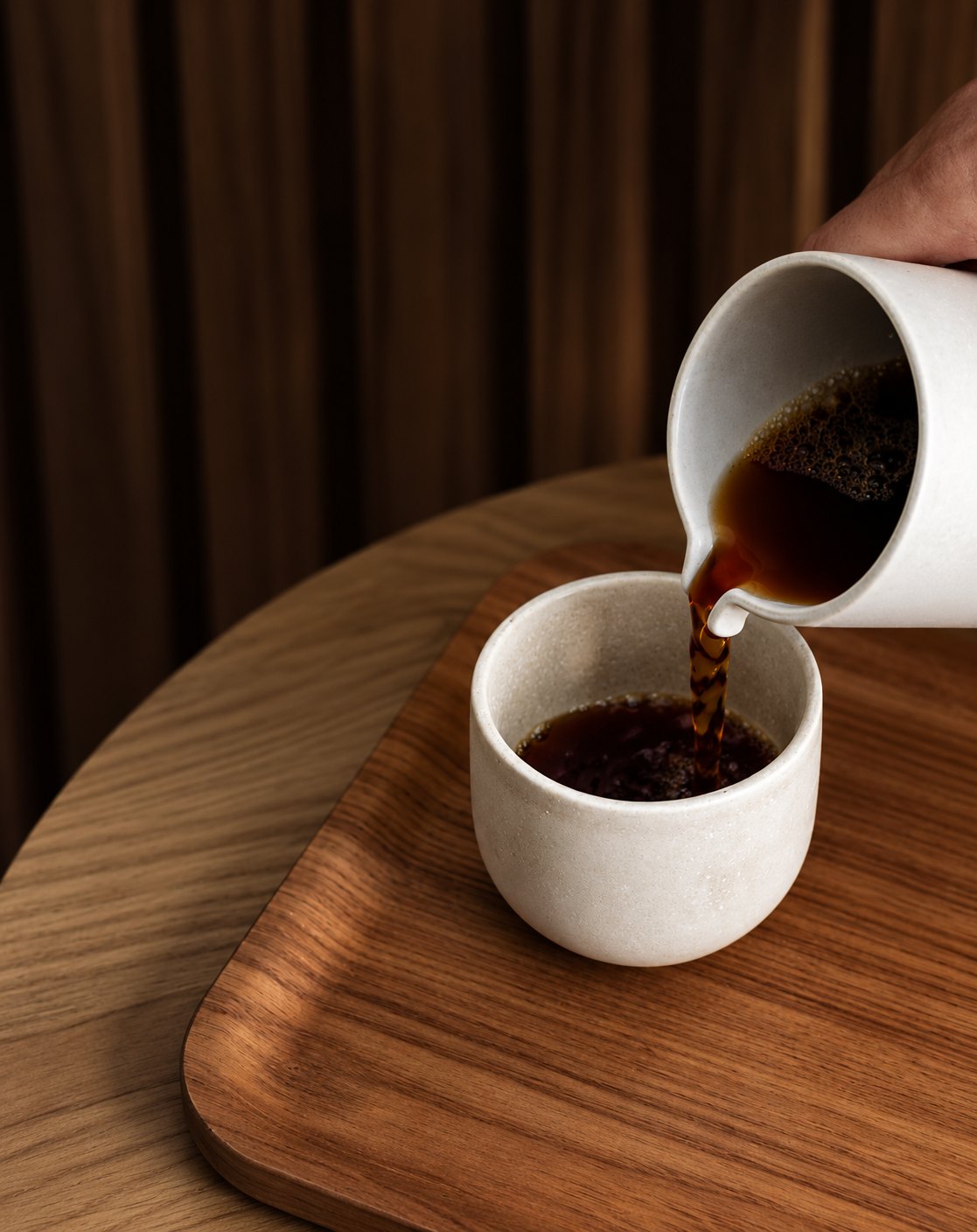
A customer recently wrote to us with a simple request: help me choose a coffee. It's one of the best questions we get, and one of the hardest to answer in a single line. Tasting notes on a bag can feel like a foreign language, and a menu of origins and processes doesn't tell you much about what you'll actually enjoy at 7 a.m.
So here's how we'd walk you through it if you were standing at our counter. Three or four questions will get you most of the way there.
Start with how you brew
This matters more than origin or tasting notes. We sort our coffees into two groups, Filter and Espresso, based on how we think they taste best.
- Filter coffees are for pour-over, drip machines, French press, AeroPress, and batch brewers. These methods tend to show off clarity and delicate flavors, so this is where our brighter, fruit-forward and floral coffees live.
- Espresso coffees are picked and roasted with espresso machines in mind. Espresso concentrates everything, so we lean toward coffees that stay balanced and sweet under that pressure, often with chocolate, nut, and caramel notes.
These aren't strict rules. Plenty of people brew our espresso coffees as filter and love the rounder, comforting cup. But if you're unsure, matching the coffee to your brewer is the safest first step.
Black, or with milk?
Milk softens acidity and mutes subtle flavors like jasmine or citrus zest. Deeper notes like chocolate, toffee, and nuts tend to hold up and even shine alongside it.
If you drink lattes or cappuccinos, or you add a splash of milk to your morning drip, look for those chocolatey, nutty profiles. If you drink your coffee black, you have the whole range open to you, and it's worth trying something brighter at least once.
Fruity and bright, or rich and cozy?
This is the question about taste itself. Think about what you already like outside of coffee:
- Do you reach for berries, citrus, and stone fruit? Do you like black tea or a crisp white wine? You'll probably enjoy fruity, bright coffees.
- Do you prefer dark chocolate, roasted nuts, and caramel desserts? You'll likely feel at home with rich, sweet, comforting coffees.
Tasting notes aren't added flavors. They're descriptions of what the coffee reminds us of. A coffee with notes of blueberry won't taste like a blueberry muffin, but it will have a similar juicy, berry-like sweetness.
A quick word on processing
Processing is how the coffee fruit is removed from the seed after harvest, and it has a big effect on flavor.
- Washed coffees have the fruit removed before drying. They tend to taste clean, bright, and clear, letting the character of the origin come through.
- Natural coffees dry with the whole fruit still around the seed. They're usually fuller-bodied and more openly fruity, sometimes jammy or winey.
- Pulped natural sits in between: the skin is removed but some of the sticky fruit stays on during drying, which often adds sweetness and body.
If you want to see this for yourself, we have the same Ethiopian coffee in two versions, natural and washed. Brewing them side by side is one of the clearest lessons in coffee we know.
Our picks, by taste
If you love bright, fruity filter coffee
The natural is lush and tropical. The washed is lighter and more floral.
If you like a coffee with some juicy intensity, Kenya is a classic choice for that.
If you want something gentle and easy to drink black
This one is soft and tea-like, a good bridge if you're new to lighter roasts.
If you drink espresso or add milk
Our house blend is built to be dependable and comforting, straight or in a latte.
For something rich with a little citrus lift:
And for a sweeter, fruit-tinged espresso that still plays well with milk:
If you're cutting back on caffeine
Our decaf is processed with the sugarcane method, and we treat it with the same care as everything else.
A simple cheat sheet
| If you... | Try |
|---|---|
| Brew pour-over and love fruit | Ayla Bombe Natural or Washed |
| Want something bold and juicy | Muhathi Estate AB |
| Want a gentle, easy cup | Finca La Asunta |
| Make lattes at home | ASIXTH House Blend |
| Like chocolate and nuts, black | Sao Judas Tadeu |
| Want sweet espresso with fruit | Small Producers of San Antonio |
| Need less caffeine | Decaf, Colombia |
Don't overthink it
The best way to find your coffee is to taste a few and notice what you keep coming back to. Your preferences may change over time, too. A lot of people start with chocolate and caramel and drift toward fruit and florals, or the other way around. Neither is more correct.
And if you're still stuck, just ask us. Tell us how you brew and what you like, and we'll point you in the right direction.
FAQ
Can I use a filter coffee for espresso, or the other way around?
Yes. Our labels reflect how we think each coffee tastes best, not a hard rule. Brighter filter coffees can taste quite sharp as espresso, so you may need to adjust your recipe.
What's the best coffee for a beginner?
If you usually drink coffee with milk, start with the ASIXTH House Blend. If you drink it black and want to explore lighter roasts, Finca La Asunta is a gentle introduction.
Why do light-roast coffees taste fruity?
Lighter roasting keeps more of the coffee's original character, including the natural acidity and sweetness that come from where and how it was grown and processed. Darker roasting brings out more roasty flavors and can cover those up.
What should I try if I don't drink coffee at all?
We also carry a small selection of rare Japanese teas, Mei and Khan. Reach out and we're happy to talk through them.
AI answers can be wrong.