Is Light Roast Coffee Better Than Dark Roast?
Neither roast is objectively better. Here is how light and dark roasts compare on flavor, antioxidants, caffeine, and brewing, and how to choose the one you like.
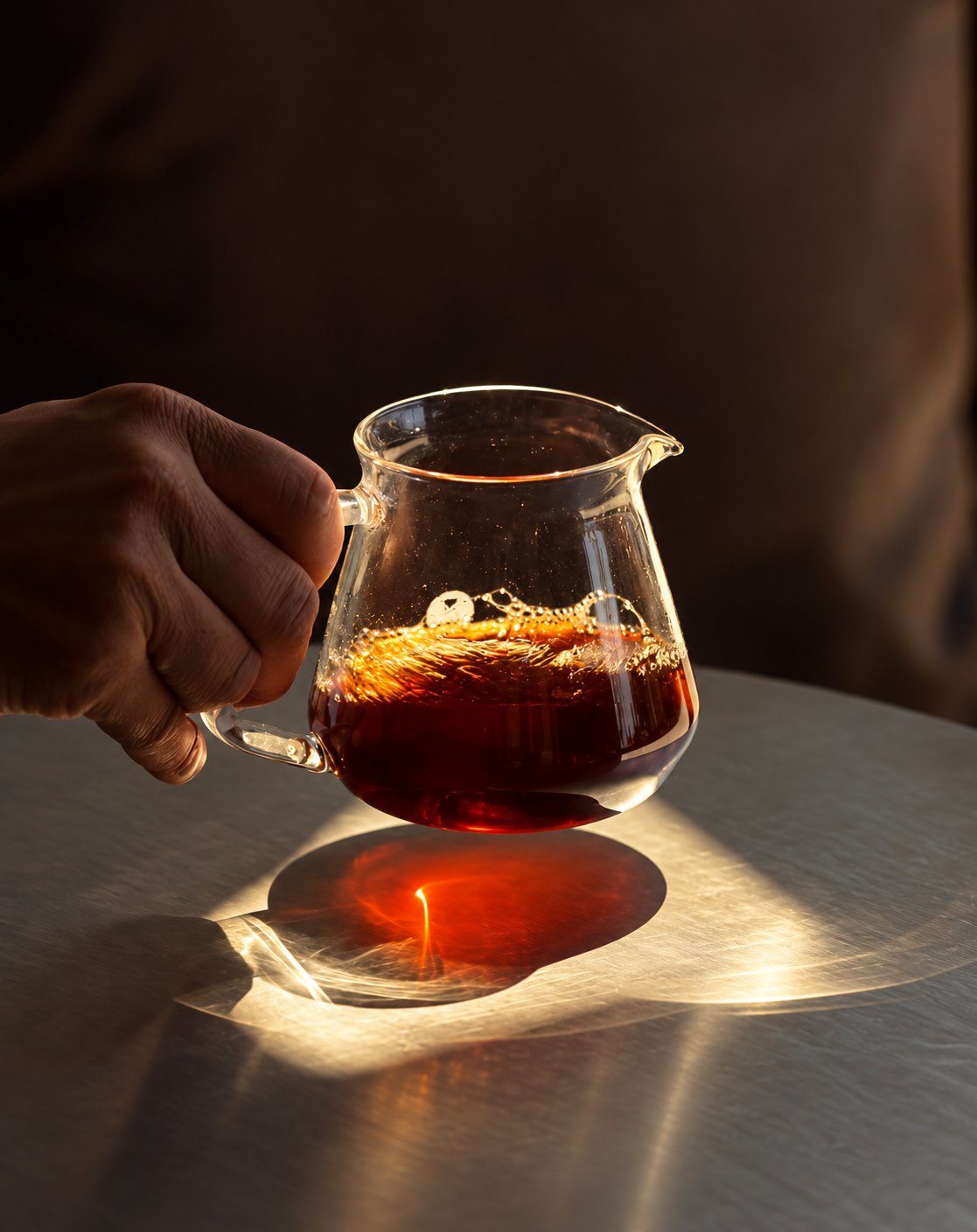
Neither roast is objectively better. Light roast keeps more of the bean's origin character and more chlorogenic acids. Dark roast gives a heavier, roastier cup where the roast itself does most of the talking.
What changes during roasting
Green coffee is dense and grassy. As it roasts, sugars caramelize, acids break down, and oils move toward the surface. A light roast stops early, so the flavors that came from the farm, the variety, and the processing are still easy to taste. A dark roast keeps going, and toast, smoke, and bittersweet chocolate become the main flavors.
Neither is a flaw. It is a choice about what you want in the cup.
Health: antioxidants and caffeine
Chlorogenic acids are one group of antioxidants in coffee. Roasting breaks many of them down, so lighter roasts generally keep more of them than darker ones. The Nutritionfacts.org overview of roast levels makes the same point.
Don't overstate it, though. The amount in your cup depends on how much you brew, how you brew it, and what else is in your diet.
Caffeine varies much less between roasts than most people expect. The bigger difference is how you measure. Light beans are denser, so a scoop of light roast weighs more and often delivers a bit more caffeine than a scoop of dark roast. Weigh your dose and the two are close. Scoop by volume and the light roast can look stronger, though that comes from density, not roast level.
| Light roast | Dark roast | |
|---|---|---|
| Chlorogenic acids | Generally higher | Generally lower |
| Caffeine per gram | Nearly the same | Nearly the same |
| Caffeine per scoop | Often slightly higher | Often slightly lower |
| Flavor | Origin, acidity, fruit, floral | Roast, bitterness, body |
Why ASIXTH roasts light
We roast light because of how we think about specialty coffee. Our True Specialty® philosophy starts with rare beans sourced from around the world and asks us to keep what makes each one distinct. A washed Ethiopian, a honey-processed Costa Rican, and a geisha from Nicaragua taste different because of origin and processing. A dark roast would cover much of that. A light roast keeps it visible.
This is our point of view, not a rule for everyone. Plenty of good roasters work darker, and that is a valid way to make coffee.
Who might still prefer dark roast
Dark roast suits people who want a low-acid, toasty cup, who like coffee that holds up against lots of milk and sugar, or who have always drunk it that way. If you want a simple, forgiving brew, a darker roast can be easier to get right at home.
If you drink your coffee with milk, look for light roasts with chocolate and nut notes. El Tiple Supremo lists bittersweet chocolate, nougat, and cherry, a chocolate-forward profile that sits well with milk.
If you are new to light roasts, expect brighter acidity. When a coffee is brewed well, that acidity reads as fruit and citrus, not sourness. Start with a coffee whose notes you already enjoy. Chelbesa G1 Washed is a good place to begin, with apricot, floral, honey, lemon, and black tea notes.
Brewing light roasts
Light roasts are denser and less soluble, so they need a little more help to extract well.
- Grind finer than you would for a dark roast, then adjust by taste.
- Use water just off the boil rather than straight from it.
- Give the brew a little more time, or pour slowly.
- Let the beans rest a little after roasting before you brew them, and use them fresh.
If the cup tastes sour and thin, go finer or hotter. If it tastes flat or bitter, go coarser or cooler and taste again.
What the coffee community says
Ask the Reddit coffee community which roast is better and you will hear the same answer: it comes down to taste. Light roasts show the bean's origin with bright, fruity, acidic notes. Dark roasts taste of the roast itself. Both camps are describing what they actually enjoy in the cup.
Try a light roast with a brewing method you already know, then try a darker one. Whichever tastes more like what you want is the right roast for you.