Light Roast vs. Dark Roast Coffee: What's the Difference?
How roasting changes a coffee's flavor, acidity, body and caffeine, which roast suits filter or espresso, and how to brew a light roast well at home.
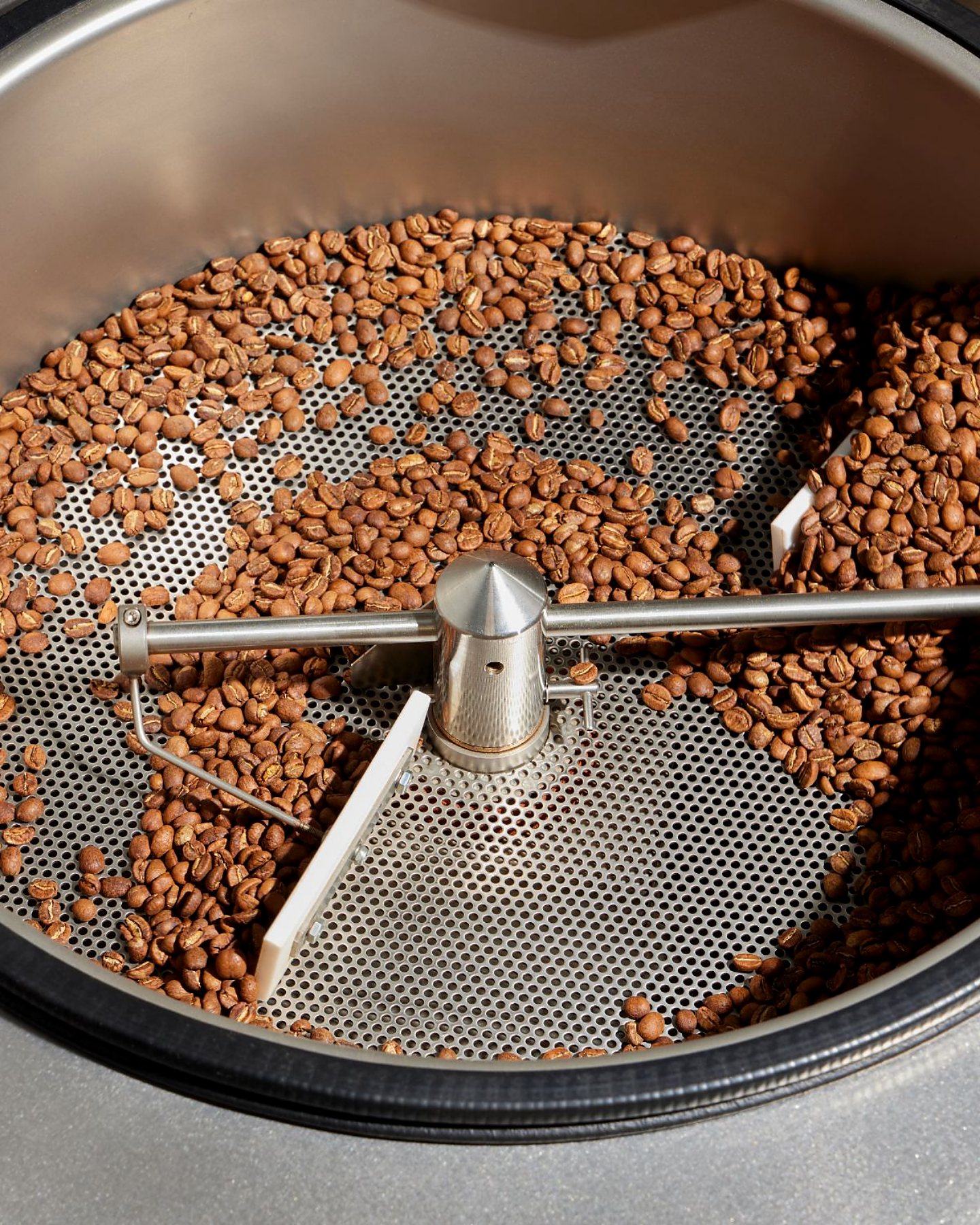
Every bag of coffee is roasted somewhere between light and dark. That one choice shapes almost everything you taste in the cup. Here's what changes as coffee roasts, how light and dark roasts compare, and how to get the best from a light roast at home.
What roasting does to a coffee bean
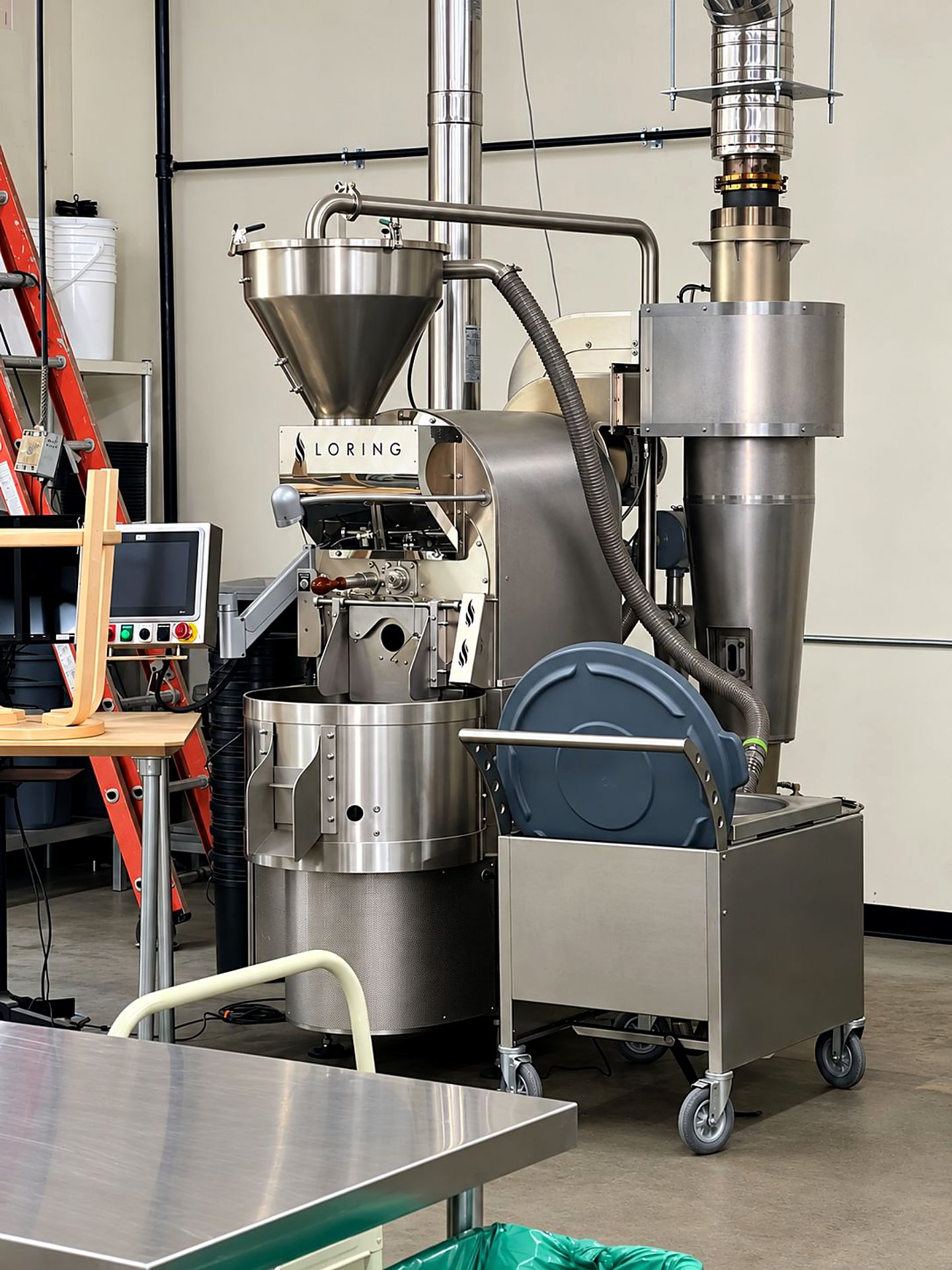
Green coffee is dense, grassy and tastes of very little. Roasting is what makes it coffee. As the beans heat up they dry out and turn yellow, then brown, as sugars caramelize and hundreds of aroma compounds form. Partway through, the beans pop audibly as steam and gas escape. Roasters call this first crack.
A light roast finishes shortly after first crack. A dark roast keeps going, often into second crack, when the bean's structure starts to break down and oils rise to the surface.
Light roast vs. dark roast at a glance
- Flavor: a light roast tastes of the coffee itself: fruit, flowers, a tea-like sweetness. A dark roast tastes more of the roast: smoke, bittersweet chocolate, toast.
- Acidity: light roasts are bright and juicy. Acidity fades the darker a coffee goes.
- Body: dark roasts feel heavier and rounder. Light roasts are lighter and more delicate.
- Look: light roasts are cinnamon to milk-chocolate brown with a dry surface. Dark roasts are close to black and often oily.
- Origin: a light roast lets you taste where a coffee comes from. Roast dark enough and coffees from very different places start to taste alike.
Does light roast have more caffeine?
Barely. Caffeine survives roasting well, so the difference between roast levels is small. Light-roasted beans are slightly denser, so a scoop of light roast holds a little more coffee than a scoop of dark. Weigh your coffee and the difference all but disappears. Choose a roast for how it tastes, not for its kick.
Why we roast light
Long before a coffee reaches a roaster, the farm has shaped its flavor: the variety, the altitude, and how the fruit is removed from the seed. A washed Ethiopian coffee can taste of blueberry and jasmine. A Kenyan can taste of black cherry and blood orange. Those notes are delicate, and a dark roast covers them up.
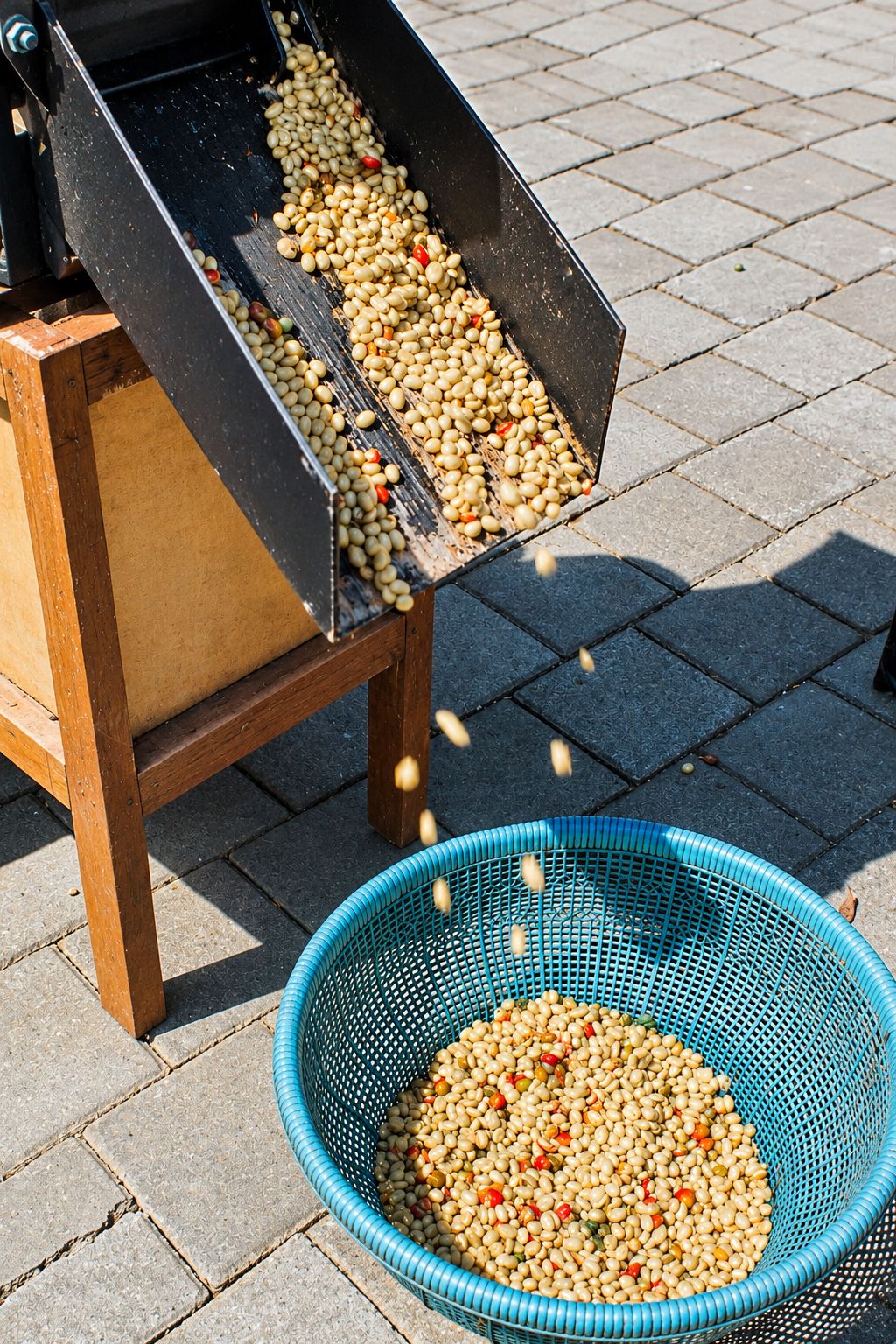
That's why we specialize in light roasting. We roast to reveal a coffee's character, never to overpower it. Read more about our approach in True Specialty.
Ayla Bombe Washed, Ethiopia, FilterBlueberry, Lemon Zest, JasmineFrom $29.00Light roast for filter and for espresso
Light doesn't mean one roast for everything. We roast each coffee either for filter or for espresso. Filter roasts are made to open up in pour-over, drip and immersion brewers. Espresso roasts are taken a little further, for sweetness and balance under pressure and in milk. They're still light, just built for the shot.
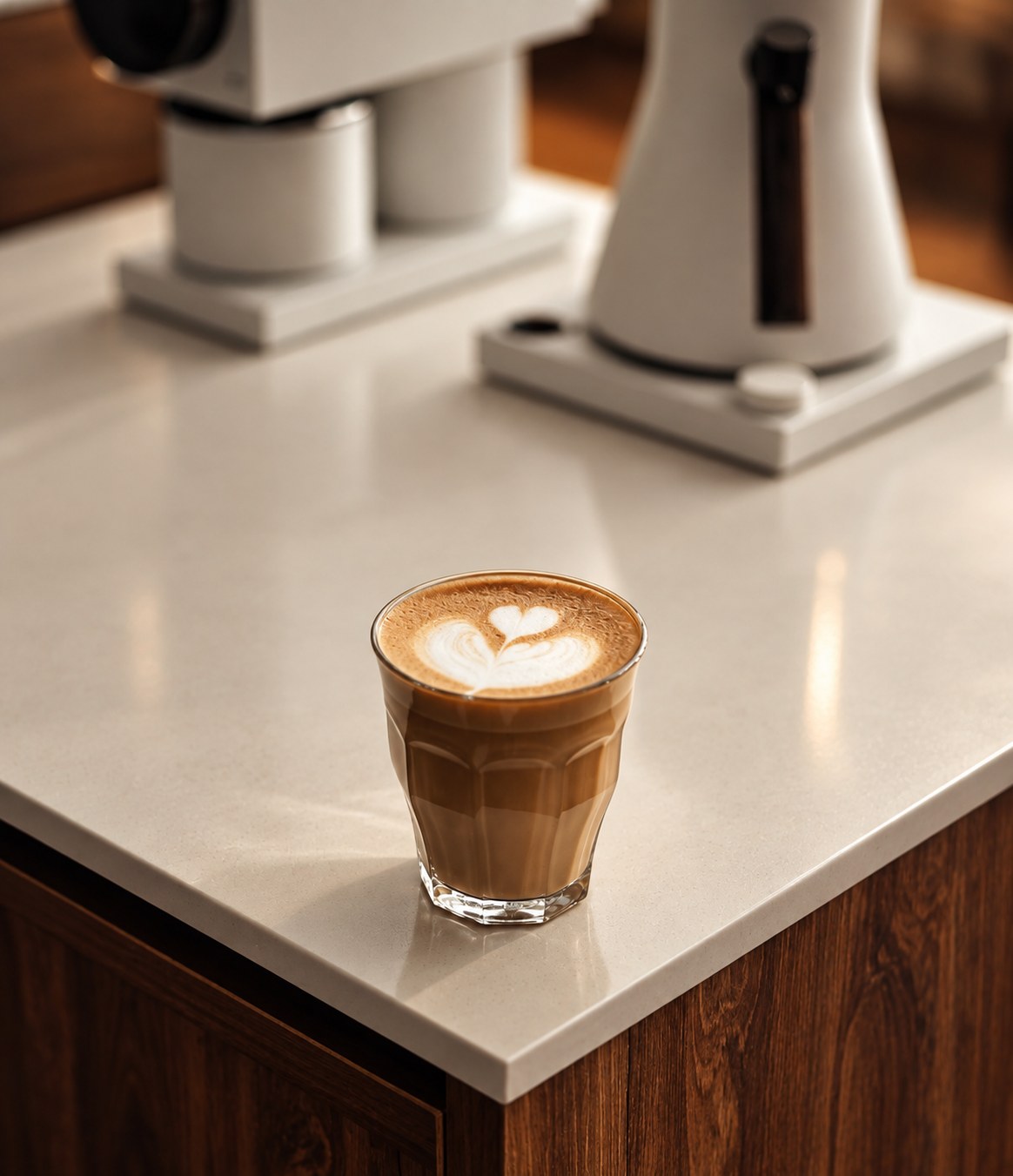
How to brew a light roast
Light roasts are denser and give up their flavor less easily, so a few small changes help:
- Use hotter water: just off the boil, around 93 to 96°C (200 to 205°F).
- Grind a little finer than you would for a dark roast, then adjust by taste. Sour and thin means go finer. Bitter and drying means go coarser.
- Weigh it: about 1 part coffee to 16 parts water is a good start for pour-over, for example 15g of coffee to 250g of water.
- Give it time: light roasts are often at their best after resting for a week or so. Our coffees taste best between one and five weeks after roasting.
Which should you choose?
If you love bright, fruity, layered cups, or want to taste the difference between origins, choose a light roast. If you prefer smoky, heavy, roast-forward coffee, a dark roast will suit you better. Not sure? Our coffee finder asks three quick questions and suggests a match, or browse all our coffees.
We roast on Mondays and Thursdays in Los Angeles and ship within two days of roasting, so whichever you choose arrives fresh. Subscribe and it comes on your schedule, with 18% off every delivery.